Facemask Respirators
Facemask Respirators
Facemask Respirators serve as protection from air contaminants and respiratory hazards. These hazards may include dust, biological contaminants, fumes, mists, and gases, or a combination of these.
When to use a facemask respirators?
A combination of these types of hazards may also be present, thus needing a higher level of respiratory protection.
However, workers should only use respirators for protection against air contaminants only if other hazard control methods are not practical or possible under the various circumstances in workplaces.
Types of facemask respirators
Negative Pressure – Negative pressure respirators rely on the wearer to draw air through the cartridge or filter. These respirators can be either reusable or disposable. Wearers must perform seal checks for tight-fitting negative pressure respirators.
Among the types of negative pressure respirators include filtering facepiece/disposable respirators, reusable respirators, half-face respirators, and full-face respirators.
Positive Pressure – Positive pressure respirators are battery-operated—pulling air through the cartridge or filter. Positive pressure units come in reusable forms. Tight-fitting positive pressure respirators must be fit-tested.
Loose-fitting respirators usually have a hood or helmet and do not require fit testing.
Self-Contained Breathing Apparatus (SCBA) – Classified as a positive pressure respirator, SCBA is a respiratory system that is a portable ready supply of safe breathing air that is designed for use in unknown atmospheric conditions or immediate danger to life or health (IDLH).
Types of cartridges and filters
The type of filter or cartridge is dependent on the level of protection that a workplace requires. According to AS/NZS 1715, there are three classes of particulate filters:
- Class P1 particulate filters – these are used to protect against mechanically generated particulates.
- Class P2 particulate filters – protect the worker against mechanically and thermally generated particles such as dust, mist, and metal fumes.
- Class P3 particulate filters – protect against highly toxic materials and are used for all particulates that require high protection factors.
Selecting facemask respirators for your workplace
The level of protection required should be determined before choosing the type of face mask respirators to use in the workplace. Respirators have an assigned protection factor (APF) that ranges from 10 to over 100, as per AS/NZS 1716.
To determine the APF level that a workplace requires, calculate the hazard ratio by dividing the exposure levels by the exposure limit.
After determining the level of respiratory protection required, other factors that may affect the effectiveness of these face mask respirator equipment should be considered. Compatibility with other protective equipment used in the workplace, as well as the comfortability of the workers when using the equipment, are also important considerations.
Featured Products
Delivering an extensive range of welding solutions, SMENCO offers respiratory protection equipment that aid in protecting workers against particulate hazards and air contaminants.
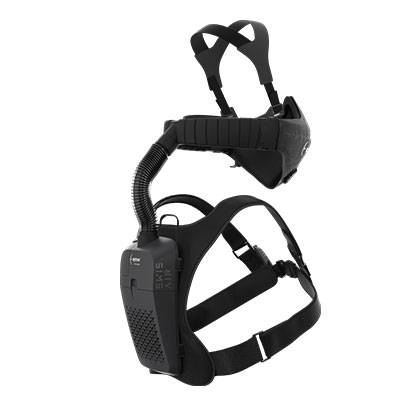
Swiss Air
Delivering an extensive range of welding solutions, SMENCO offers respiratory protection equipment that aid in protecting workers against particulate hazards and air contaminants.
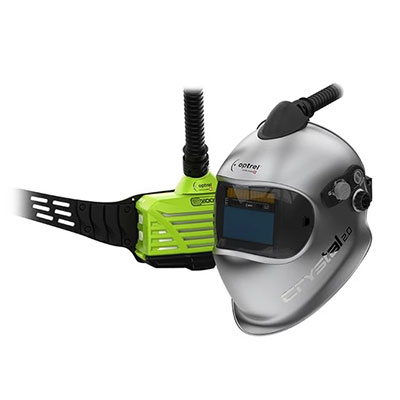
Crystal 2.0 PAPR
With light transmission of 31% in bright condition (protection level 2!) welders have for the first time a practically unclouded and clear view of their working environment.
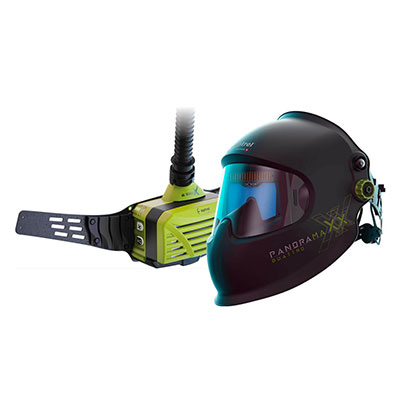
Panoramaxx Quattro PAPR
The Panoramaxx Quattro Ready-toWeld packages contain the PAPR version of the helmet with the Optrel IsoFit® headgear, e3000x blower unit, high quality leather belt and TH3 filters.